
Concrete coring creates precise holes in concrete structures for pipes, vents, or samples. This process works effectively in all seasons when proper methods are followed. Builders rely on it for renovations and new installations without major disruptions.
The Basics: What Exactly Is Concrete Coring?
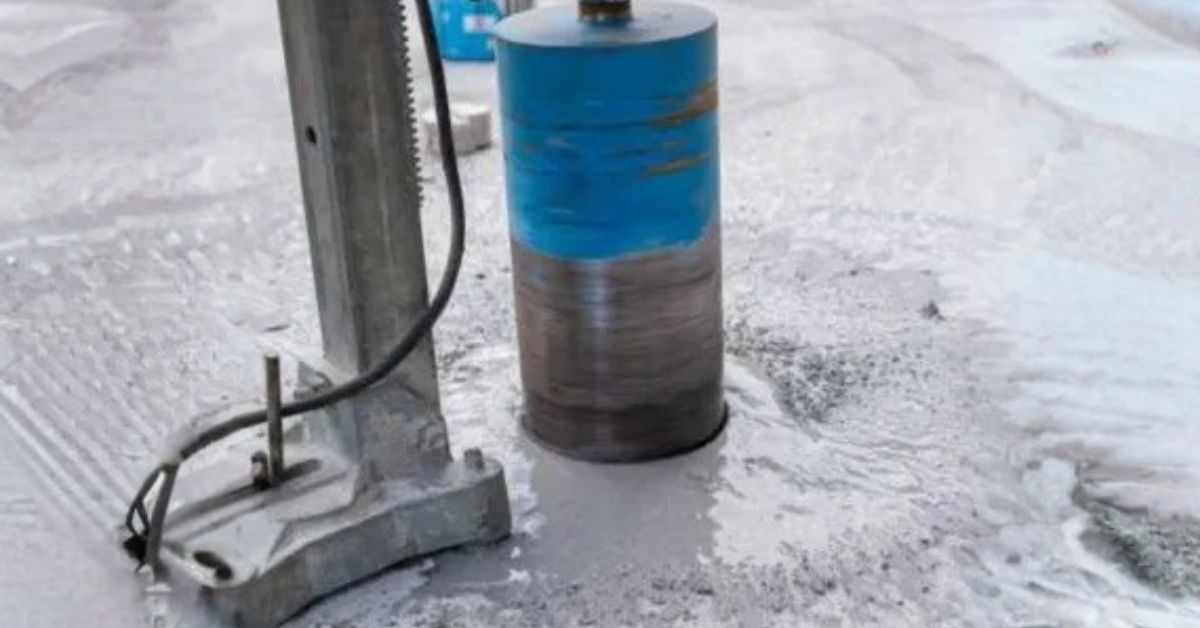
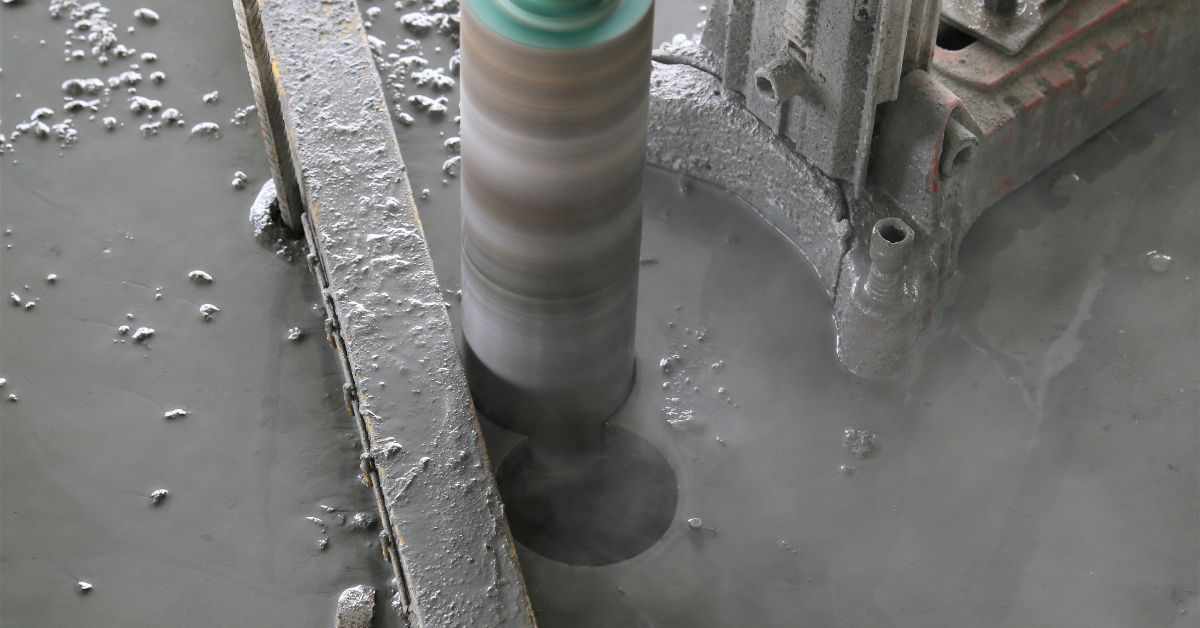
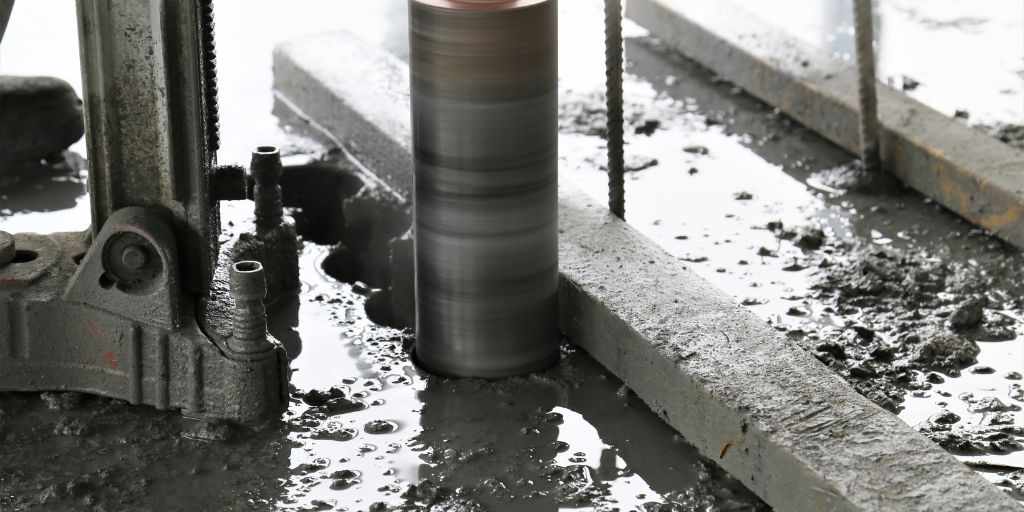
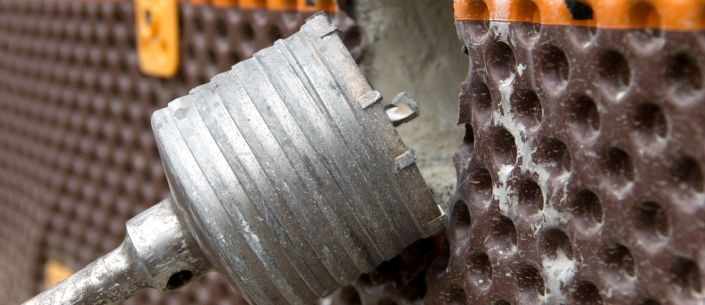
Concrete core drilling employs a diamond-tipped bit attached to a rig. The rig secures to the surface using bolts or suction. Water cools the bit during operation to reduce heat and dust. A solid core emerges, suitable for strength testing.
The technique of concrete coring produces minimal noise and vibration. It suits sensitive locations such as hospitals. Concrete Insight performs coring for diameters from 1 inch to 60 inches to install conduits or obtain samples.
Types of Concrete Coring You Should Know

Different equipment matches specific job requirements based on hole size and location.
Handheld units serve small tasks, such as 2-inch holes in walls.
Rig-mounted systems provide stability for deeper cuts in slabs or beams.
Wet coring uses water to cool the bit and control dust, ideal for indoor work. Dry coring avoids water for outdoor applications but requires measures to prevent overheating. These options address needs like rebar testing or cable installation.
Concrete Coring vs Drilling: Spot the Difference
Concrete coring vs drilling differs in method and outcome. Core Drilling breaks concrete into fragments using a hammer action, suitable for small holes but less effective on thick material. Coring extracts an intact cylinder, useful for large openings or analysis.
Drilling creates irregular edges. Coring ensures clean results. In reinforced structures, coring prevents damage and maintains integrity.
Tackling Winter: Coring in the Cold
Cold weather slows concrete hardening below 5°C. Teams apply heat to the area or use warm water on the bit. Frozen ground requires preheating equipment and stabilizers.
Insulated covers protect the site.
Torches thaw specific areas before work begins.
These steps extend timelines but ensure durable results.
Spring and Fall: Mud and Unsteady Ground
Thawing creates muddy conditions that affect equipment stability. Moisture clogs bits, so ground mats or gravel improve access. Water tables demand drainage beforehand.
Unexpected rain or frost requires tarps and weather monitoring. Proper preparation maintains workflow efficiency.
Summer Heat: Keeping It Cool Under the Sun
High temperatures accelerate drying and risk cracks from bit overheating. Shade, pre-wetted materials, and ample coolant support wet coring. Scheduling early avoids peak heat.
Frequent tool checks prevent wear. These practices yield precise outcomes.
Why Pros Handle Seasonal Coring Right
Professionals address rebar encounters and confined spaces with diamond bits and GPR scans. Such tools ensure accuracy throughout the year.
Concrete Insight LLC serves Virginia, DC, Maryland, and beyond with expertise in GPR, coring, and prompt reports. Clients note their reliability on historic and urgent projects. Contact Concrete Insight for a quote to advance your project.
Frequently Asked Questions
Q1: What is concrete coring?
Concrete coring removes a cylindrical section from concrete structures. It uses a diamond-tipped bit on a secured rig. This method creates clean holes for utilities or testing.
Q2: How does concrete coring work in practice?
A rig anchors to the surface with bolts or suction. The rotating bit cuts while water cools it and controls dust. The core pulls out intact for inspection or lab use.
Q3: What are the main types of concrete coring?
Wet coring applies water for cooling and low dust indoors.
Dry coring suits outdoor sites without water.
Rig-mounted or handheld options match hole size and depth.
Q4: How does concrete coring vs drilling differ?
Coring extracts a full cylinder with precision and low vibration. Drilling breaks material into pieces, better for small tasks but riskier on thick slabs. Coring preserves structural integrity.
Q5: What challenges arise in summer concrete core drilling?
Heat causes rapid drying and bit wear. Shade, coolant, and early scheduling help. Proper care prevents cracks and maintains accuracy.









Write a comment ...